

RV Site Accessibility for an Easier Gulf Coast Stay
A campground can look perfect in photos, but RV site accessibility is what determines whether arrival day feels easy or exhausting. When you are towing a vehicle, driving a big rig, traveling with kids, or settling in for a month, the practical details matter: room to turn, clear site access, dependable hookups, and amenities that do not require a long trek across the park.
For Gulf Coast travelers, accessibility also means location. A peaceful campsite is even better when it keeps beaches, restaurants, shopping, and day trips within easy reach. The right RV park gives you room to relax without making every errand or outing feel like a production.
What RV Site Accessibility Really Means
RV site accessibility is more than whether a road is paved. It is the full experience of getting from the highway to your site, setting up safely, and moving comfortably around the campground during your stay.
For many travelers, the first question is simple: Can my RV get in and out without a tight squeeze? Large motorhomes, fifth wheels, travel trailers, and rigs towing a vehicle need wider turns, sensible traffic flow, and sites designed with real RV dimensions in mind. A site may technically fit your rig, but that does not always mean it will be comfortable to back into or leave after a rainy weekend.
Site layout matters just as much once you arrive. Pull-through sites can make a one-night stop especially convenient, while roomy back-in sites often offer a more settled, private feel for longer stays. Neither is automatically better. The best choice depends on your rig, your driving comfort, how long you are staying, and whether you plan to keep a tow vehicle connected.
Accessibility also includes the everyday basics: hookups positioned where they can be reached without stretching hoses across the site, level areas for setup, space for slides and awnings, and a clear path from your RV door to your outdoor living area. These are small things until they are not. Anyone who has set up in the dark after a long travel day understands the difference.
Start With Your Rig and Travel Style
Before reserving a site, know the measurements that affect your stay. Your total length should include the RV and anything you expect to keep attached or park at the site. Height matters for low branches and covered areas, while slide placement affects how much width you need after setup.
Big-rig travelers should look for parks that specifically welcome larger RVs rather than relying on a generic site description. Wide internal roads, generous turns, pull-through options, and spacious pads are signs that the park has been planned with larger units in mind. It is also wise to ask whether your site can accommodate a tow car, truck, or golf cart if you are bringing one.
Travelers with limited mobility have another set of practical considerations. A level route to the bathhouse, laundry, clubhouse, pool, or recreation area can make a real difference. So can stable walking surfaces, well-lit common areas, nearby parking, and doors or pathways that are easier to manage. If a specific accessibility feature is essential to your stay, call before booking and explain what you need. A friendly campground team can help match you with the most suitable available site.
Families benefit from accessibility in a different way. Parents often want to know whether the playground, pool, and bathhouse are close enough for easy supervision without placing their campsite in the middle of constant foot traffic. Retirees and seasonal guests may prioritize a quiet site near laundry, propane service, or the clubhouse. The right location within the same park can change the whole rhythm of a stay.
Arrival Access Sets the Tone
A good campground arrival should not feel like a test of your driving skills. Clear entrance signage, straightforward check-in instructions, and enough room to pull through or pause safely take pressure off travelers who may have already spent hours on the road.
When planning your route, consider more than the final few miles. Check your preferred navigation route for low clearances, sharp turns, road construction, and approaches that may be uncomfortable for your rig. GPS is helpful, but it is not a substitute for using RV-aware route planning and common sense. If you will arrive after dark, let the campground know when possible and make sure you have site directions before you lose cell service.
Weather can affect access, too. Gulf Coast rainstorms can arrive quickly, so a well-maintained site and proper drainage are worth asking about, especially during wetter seasons. Shade is welcome during warm months, but low branches and narrow lanes are not. Well-planned parks balance a comfortable country setting with enough clearance to move a modern RV safely.
Look Beyond the Campsite
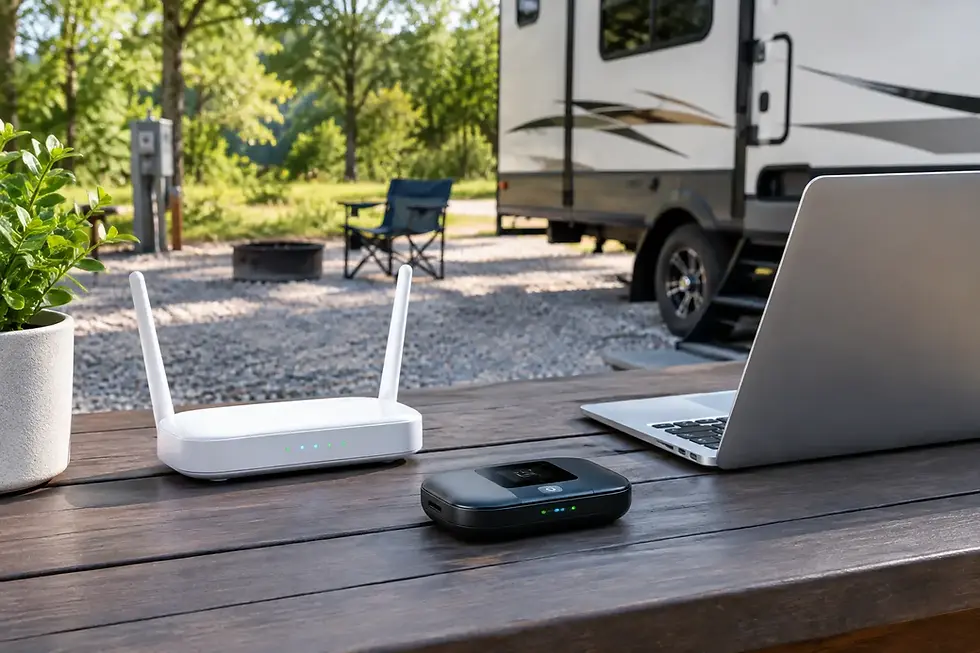
The strongest RV parks make it easy to enjoy the whole property, not just park for the night. Clean bathhouses are valuable for tent campers, families, and guests who prefer a little extra room to get ready. On-site laundry becomes a major convenience during a longer stay. Reliable WiFi matters when work, school, reservations, or staying in touch with family cannot wait.
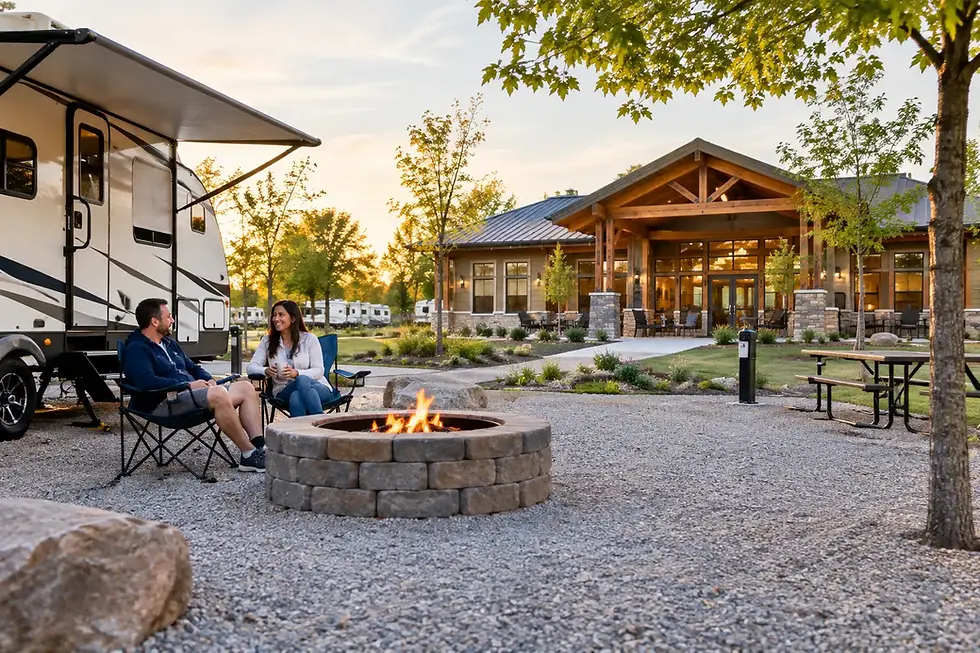
Then there are the amenities that turn a stop into a vacation. A heated saltwater pool gives guests a place to cool off or unwind. A clubhouse and pavilion create room to gather. Recreation areas and a playground give kids an outlet after travel day. Propane filling on the property can save a separate errand when you are cooking outside or preparing for a cooler evening.
At Bay Hide Away RV Park & Campground, the focus is on giving travelers a tucked-away country setting without putting the Mississippi Gulf Coast out of reach. Full-hookup sites, big-rig-friendly options, fiber WiFi, and guest amenities help make the park a comfortable home base whether you are passing through, taking a beach break, or spending the winter along the coast.
Accessibility Includes the Location Outside the Park
A remote campground may be quiet, but it can become inconvenient if every grocery run, dinner plan, or beach day requires a long drive. On the other hand, a park directly in a busy tourist zone may bring traffic and noise when you are looking for a restful evening under the awning.
That is why location is a trade-off worth thinking through. Many RV travelers prefer a campground that sits off the main road yet offers convenient access to I-10, Bay St. Louis, Gulf Coast beaches, casinos, shopping, and regional attractions. It gives you choices. Spend the morning by the water, head out for seafood or live music, take a day trip toward New Orleans, then return to a quieter site at night.
For snowbirds and longer-term guests, nearby services matter even more. Easy access to groceries, medical care, fuel, dining, and local activities makes a seasonal stay feel less like an extended stop and more like a comfortable routine. If you plan to explore often, ask about local driving conditions and parking options for your tow vehicle before you arrive.
Questions Worth Asking Before You Reserve
A quick call can prevent avoidable surprises. Ask whether the available site fits your total rig length and slide configuration, whether it is pull-through or back-in, and where you will park your additional vehicle. Confirm the hookup type and ask whether the site is reasonably level.
If accessibility needs are part of your decision, ask which sites offer the easiest route to the bathhouse, laundry, pool, or clubhouse. If you are tent camping, remember that availability may be more limited and reservations may need to be arranged by phone. It is always better to share your needs early than to hope a standard site will work after you arrive.
A great RV stay starts before the wheels stop rolling. Choose a park designed for the way you travel, give yourself room to get settled, and leave plenty of time for the best part of the trip: enjoying the Gulf Coast at your own pace.

Comments