

How to Secure an Outdoor Campsite Safely
A quiet evening at camp should feel like a break from the road, not a time to worry about your gear, your kids, or an approaching storm. Knowing how to secure an outdoor campsite starts before you put down the stabilizers or unzip the tent. A few practical choices at check-in can make your stay more comfortable, safer, and easier to enjoy.
For RV travelers, tent campers, families, and seasonal guests, campsite security is less about being on edge and more about building smart routines. Choose a well-managed campground, set up with purpose, and give yourself a little margin for weather, traffic, and the unexpected.
Start With a Well-Chosen Campsite
The safest campsite is usually one that has been thoughtfully planned and properly maintained. When making a reservation, ask about site size, lighting, road access, bathhouse proximity, campground rules, and whether staff are available on-site or nearby. A clean, organized park with clear expectations tends to make it easier for everyone to relax.
Once you arrive, look at the site itself before you fully set up. Avoid low spots where water may collect after a heavy rain. Check overhead for dead limbs, loose branches, or anything that could become a problem in strong wind. On the Gulf Coast, afternoon showers and changing weather can arrive fast, so drainage and solid ground matter.
For tent camping, choose level ground that is slightly elevated and away from obvious runoff paths. Keep a respectful distance from roads, shared buildings, and neighboring campsites. You want convenient access without placing your sleeping area right beside vehicle traffic or a busy walkway.
RV guests should give themselves enough room to pull in, back out, and open slides without crowding their neighbors. A spacious site is not just more comfortable. It also helps prevent small accidents involving awnings, steps, utility connections, bikes, and tow vehicles.
How to Secure an Outdoor Campsite During Setup
A secure setup begins with the basics: level your RV, use appropriate wheel chocks, and make sure steps, stabilizers, and outdoor mats are placed firmly. Never assume a site is perfectly level just because it looks that way. Take a moment to check your footing and your rig before settling in for the night.
For an RV, inspect utility connections after hooking up. Keep electrical cords protected from standing water and positioned so they do not become tripping hazards. Secure your sewer hose properly, and keep the connection area neat. It may not be the glamorous part of camping, but an orderly site is easier to manage and safer for your family and neighbors.
Tent campers should stake down the tent according to the manufacturer’s instructions, including all rainfly and guyline points when weather calls for it. Bright cord markers or small solar lights can help prevent nighttime trips over guylines. Close tent doors and windows before heading out, especially if rain is possible.
Awnings deserve extra attention. They add welcome shade, but they can catch wind quickly. If you leave the campsite, retract your awning. If a storm is building, retract it early rather than waiting to see what happens. The same goes for pop-up canopies, flags, lightweight chairs, and outdoor rugs that can shift or blow away.
Keep Valuables Secure Without Making Camp Feel Locked Down
Camping is a social experience, and most guests are simply there to enjoy their trip. Still, basic precautions are good common sense. Keep wallets, medications, electronics, vehicle keys, and important documents inside your locked RV or vehicle when they are not in use. Do not leave them on a picnic table, in an unlocked tent, or in an outside storage compartment.
If you bring bicycles, e-bikes, grills, fishing gear, or portable generators, use a quality lock when you step away. Store smaller items out of sight at night. This is especially helpful when you plan to spend the day at the beach, shopping in town, or taking a day trip.
Try not to advertise expensive gear. A campsite piled with unattended coolers, tools, speakers, and electronics can create unnecessary temptation. A simple, tidy outdoor setup is more relaxing anyway. Bring out what you are using, then put it away when you are done.
It also helps to know your neighbors. A friendly hello when you arrive creates the kind of campground community where people naturally look out for one another. If something seems out of place, you are more likely to notice it, and so are they.
Make Fire, Cooking, and Propane Safety Part of Your Routine
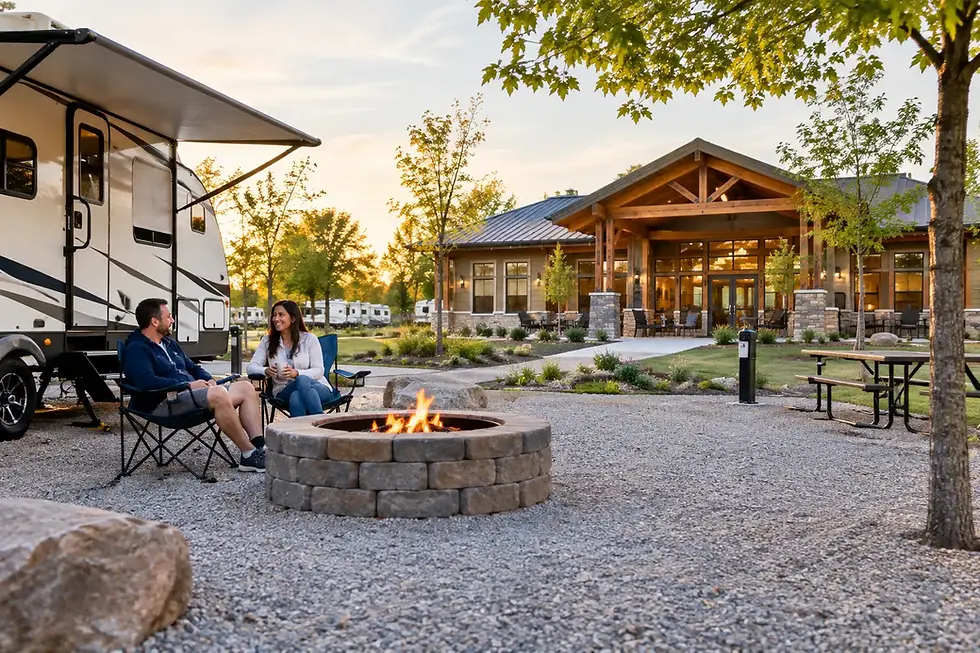
A campfire can be one of the best parts of an evening outdoors, but it needs your full attention. Use designated fire rings where permitted, keep the fire modest, and never leave it unattended. Before bed or before leaving your site, put the fire out completely with water and stir the ashes until they are cool.
Keep chairs, tents, rugs, firewood, and children at a safe distance from flames. Wind direction matters, too. A smoky fire can quickly become unpleasant for your family and the campers next door.
Cooking areas deserve the same care. Set grills on stable, nonflammable surfaces and keep them away from RV walls, tents, awnings, and dry grass. Check propane connections for damage, and turn off appliances when they are not being used. If you smell gas, shut off the supply if it is safe to do so and contact campground staff for guidance.
Plan for Weather Before It Becomes Urgent
The Gulf Coast brings beautiful beach days, but it can also bring heat, humidity, thunderstorms, and occasional severe weather. Check the forecast each morning and again before dinner. A clear sky at lunchtime does not guarantee a quiet evening.
Keep a charged phone available for weather alerts, and know where you would go if conditions become unsafe. In an RV, secure loose outdoor items, bring in chairs and rugs, retract awnings, and close windows before a storm reaches the park. Tent campers should never rely on a tent as protection from lightning or severe weather. Follow campground directions and move to a safer building or vehicle when needed.
Heat deserves its own plan. Drink water throughout the day, use shade when possible, and do not leave pets or people inside a closed vehicle. If you are traveling with older relatives, young children, or pets, schedule outdoor activities for cooler hours and build in rest time.
Create Clear Boundaries for Kids and Pets
Children and pets can enjoy campground life when everyone understands the rules of the site. Show children the safe area where they can play, explain which roads to avoid, and make sure they know not to enter another camper’s site without permission. At night, flashlights and a check-in time can make a big difference.
Pets should stay leashed unless they are in a designated pet area. Keep food picked up, dispose of waste promptly, and make sure your pet has shade and water. Even friendly pets can become stressed in a new environment with unfamiliar sounds, wildlife, and neighboring dogs.
For families, it helps to establish one simple habit: everyone tells someone before leaving the campsite. Whether a child is heading to the playground or an adult is walking to the bathhouse, that quick communication keeps the group connected without taking away the freedom of a camping trip.
Use Campground Amenities and Staff Wisely
A professionally run campground gives you more than a place to park or pitch a tent. It gives you a support system. Pay attention to posted quiet hours, speed limits, pool rules, fire guidance, and emergency procedures. These policies are there to protect the peaceful atmosphere that guests come to enjoy.
If you notice a damaged pedestal, loose branch, suspicious activity, stray animal, or unsafe condition, report it promptly rather than trying to handle it yourself. Good campground teams would rather hear about a concern early.
At Bay Hide Away RV Park & Campground, guests can enjoy a tucked-away country setting while still having the comfort of maintained sites, welcoming shared spaces, and practical amenities close by. For tent camping, availability is limited and short-term stays are arranged by calling ahead, which helps ensure the right fit for each guest’s visit.
The best campsite security plan is one that lets you stop thinking about security once it is in place. Set up carefully, keep your space orderly, watch the weather, and take care of your neighbors. Then settle into your chair, listen to the evening sounds, and enjoy the kind of Gulf Coast stay you came for.

Comments